Front and rear rollers are mechanically linked. Both axles therefore run at a defined speed, allowing modern AWD systems to be tested without improvised intervention.
SuperFlow SF883-E AWD
Measure performance. Understand vehicles.
A dyno does not answer opinions. It shows what a vehicle actually delivers, how torque develops and what really happens under repeatable load.
Synchronised AWDMechanically linked front and rear axles
107 cm RollersLarge contact area and high traction
Up to 1,600 PSPowerful eddy-current brake for loaded testing
Up to 320 km/hFor standard vehicles and high-performance builds
Our Most Important Tool
The dyno shows more than a number.
It is a measuring instrument, development environment and lie detector. We use it for dyno tests, before-and-after comparisons, diagnosis under load, calibration runs and technical development. Changes are not guessed or merely felt; they are measured transparently.
SuperFlow SF883-E
Technology for repeatable results.
The dyno combines mechanically synchronised AWD rollers, large single-roller contact surfaces, an electrically adjustable wheelbase, eddy-current load control and extensive data acquisition.
The large single rollers provide a wide contact area, reduce tyre deformation and maintain traction even with high-powered vehicles.
Up to 1,600 PS of braking capacity enables loaded operating conditions, road simulation, steady-state load points and controlled development runs.
The dyno is adjusted to the vehicle’s wheelbase, allowing the car to sit securely and repeatably on the rollers.
In addition to power and torque, other available vehicle and sensor data can be recorded during testing and included in the analysis.
Different drivetrain layouts and power levels can be measured, from standard vehicles to extensively modified performance cars.
Applications
More than a simple power run.
Dyno Testing
Document power, torque and delivery of a standard or modified vehicle.
Before / After
Evaluate hardware and software changes transparently under comparable conditions.
Diagnosis Under Load
Investigate problems that cannot be reproduced while stationary or during a short road test.
Calibration Runs
Repeat load points and acceleration runs under controlled conditions and record relevant data.
Development Work
Test and compare components, setups and changes in a structured way.
Dyno Hire
For companies and private customers calibrating their vehicle themselves or through an external calibrator.
Drivetrain Losses
We measure what others often only calculate.
Our evaluation includes a separate drivetrain-loss measurement before the actual power run. The vehicle is allowed to coast down in a controlled manner so the losses of the specific drivetrain are measured rather than estimated using a generic value.
The power actually reaching the rollers is measured during the acceleration run.
In a separate run before the actual power measurement, the vehicle is coasted down in a controlled manner and the losses of the specific drivetrain are recorded.
Vehicle Diversity
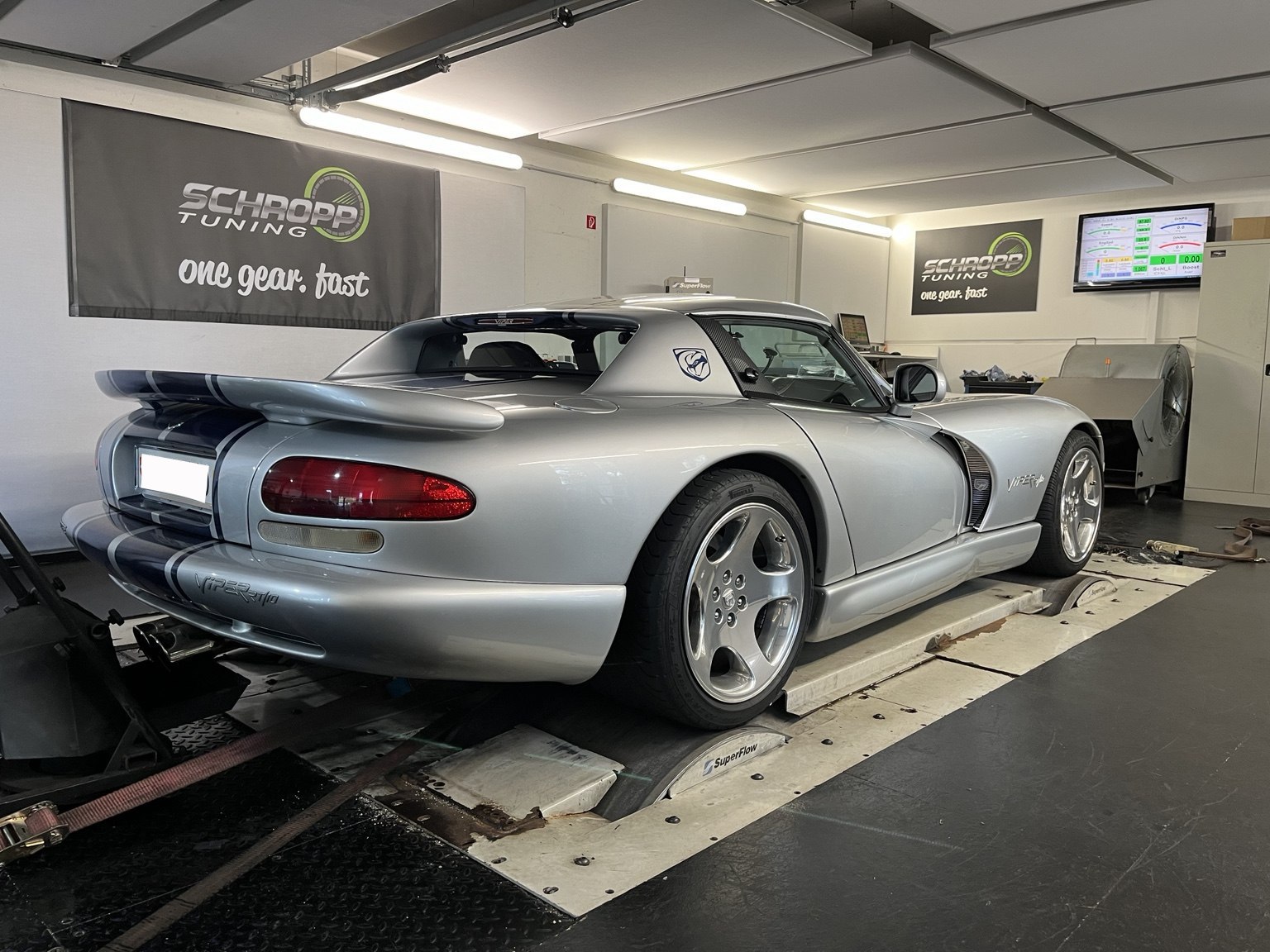
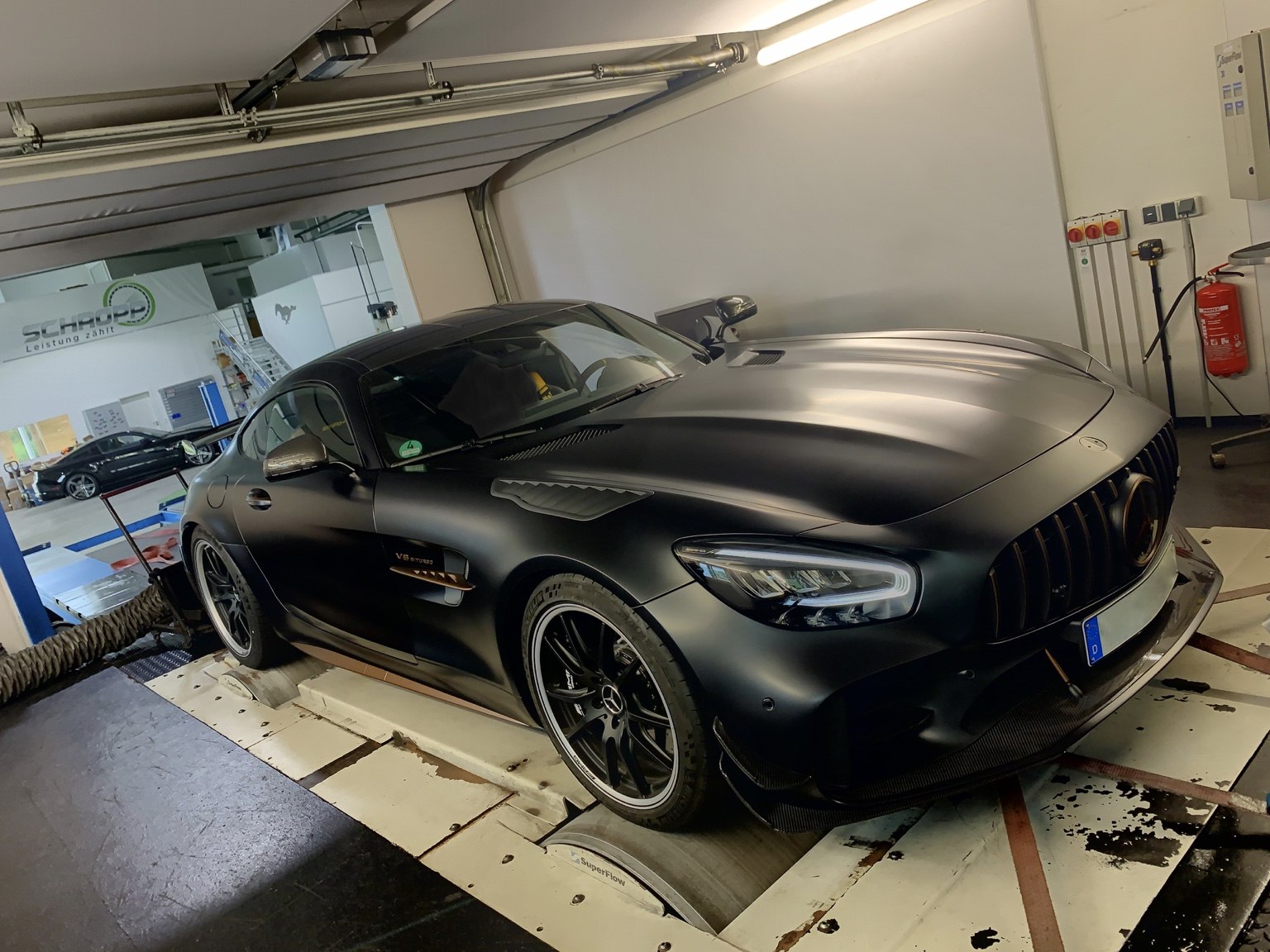
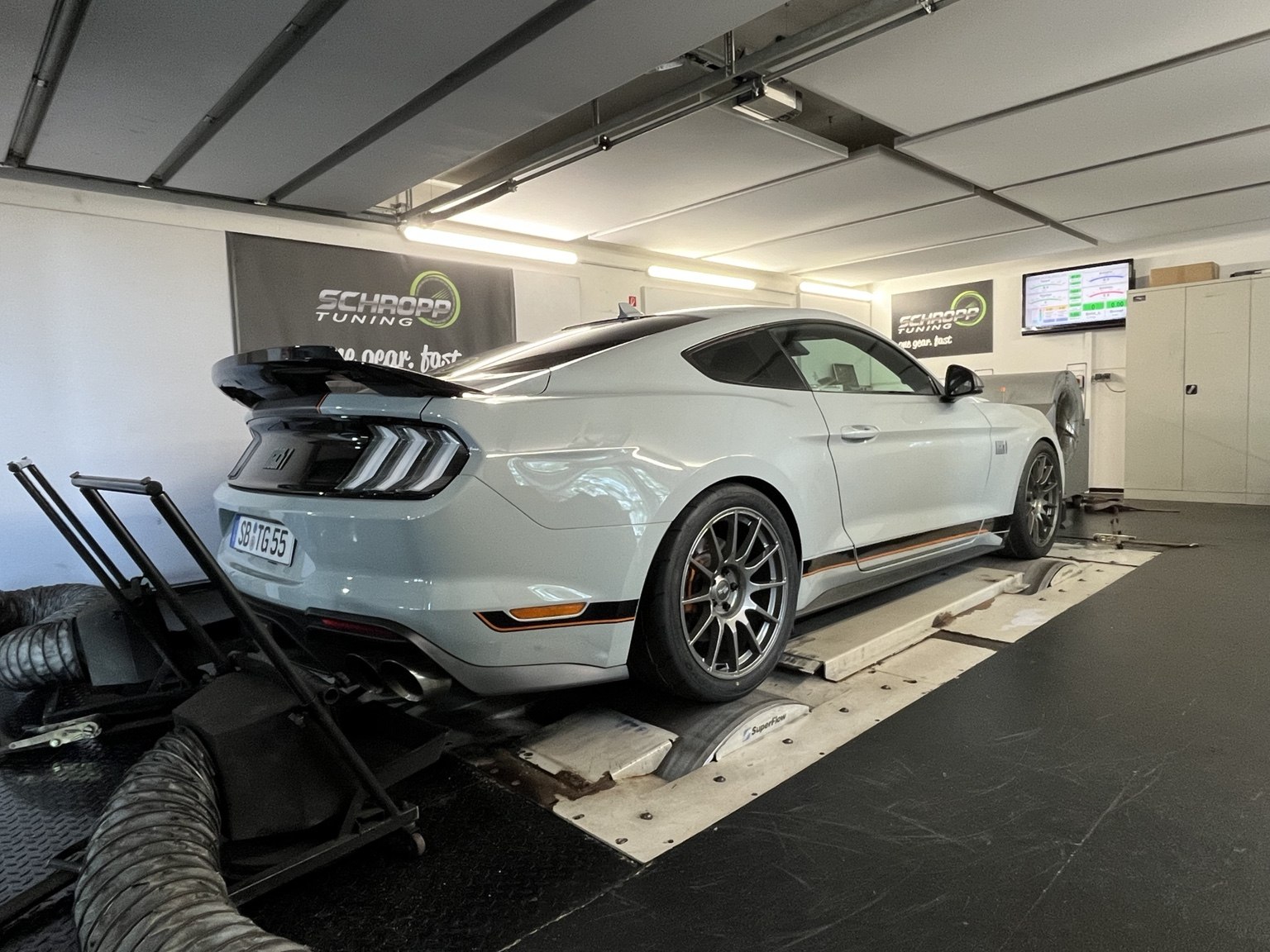
From classics to modern performance cars.
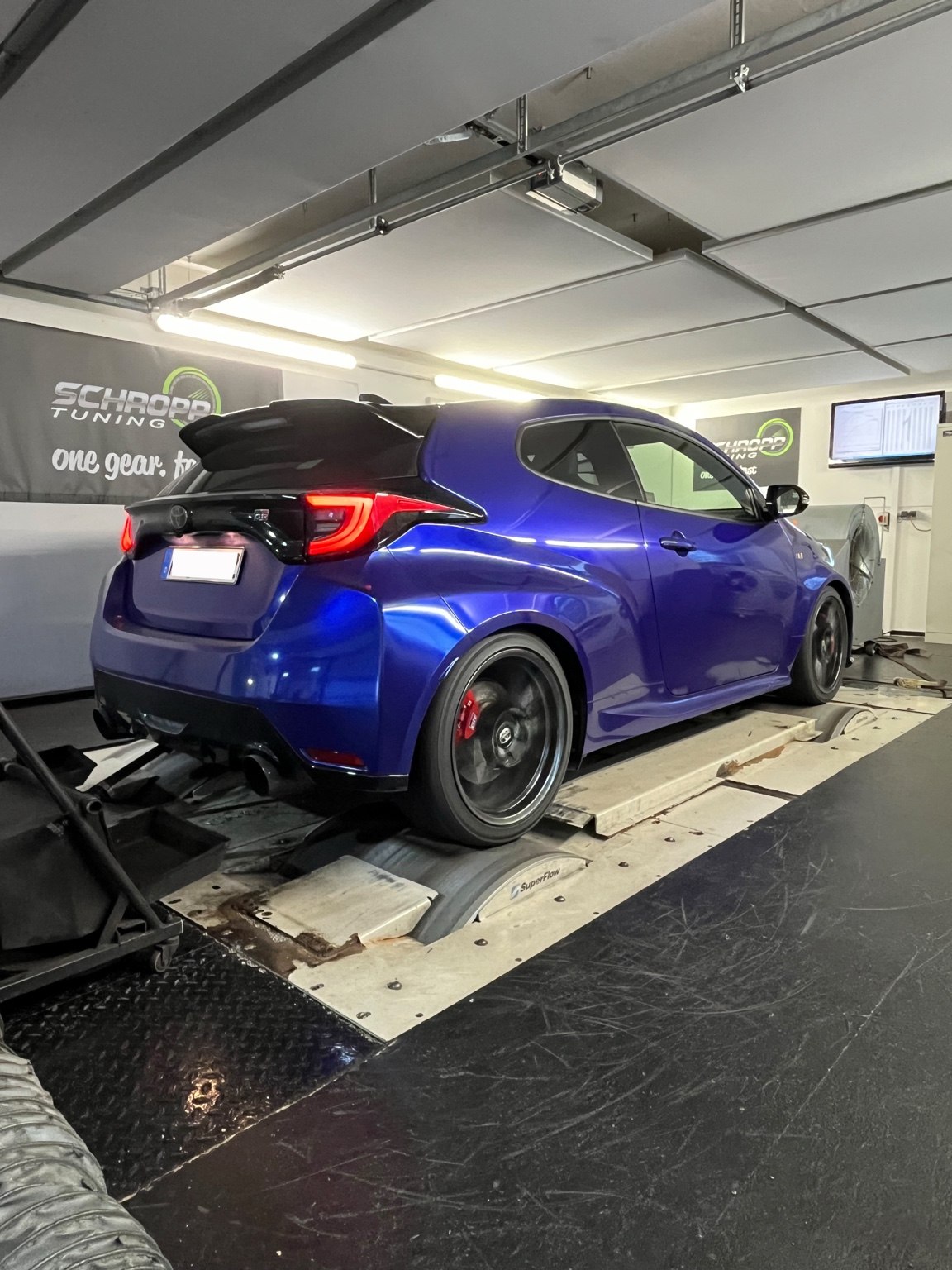
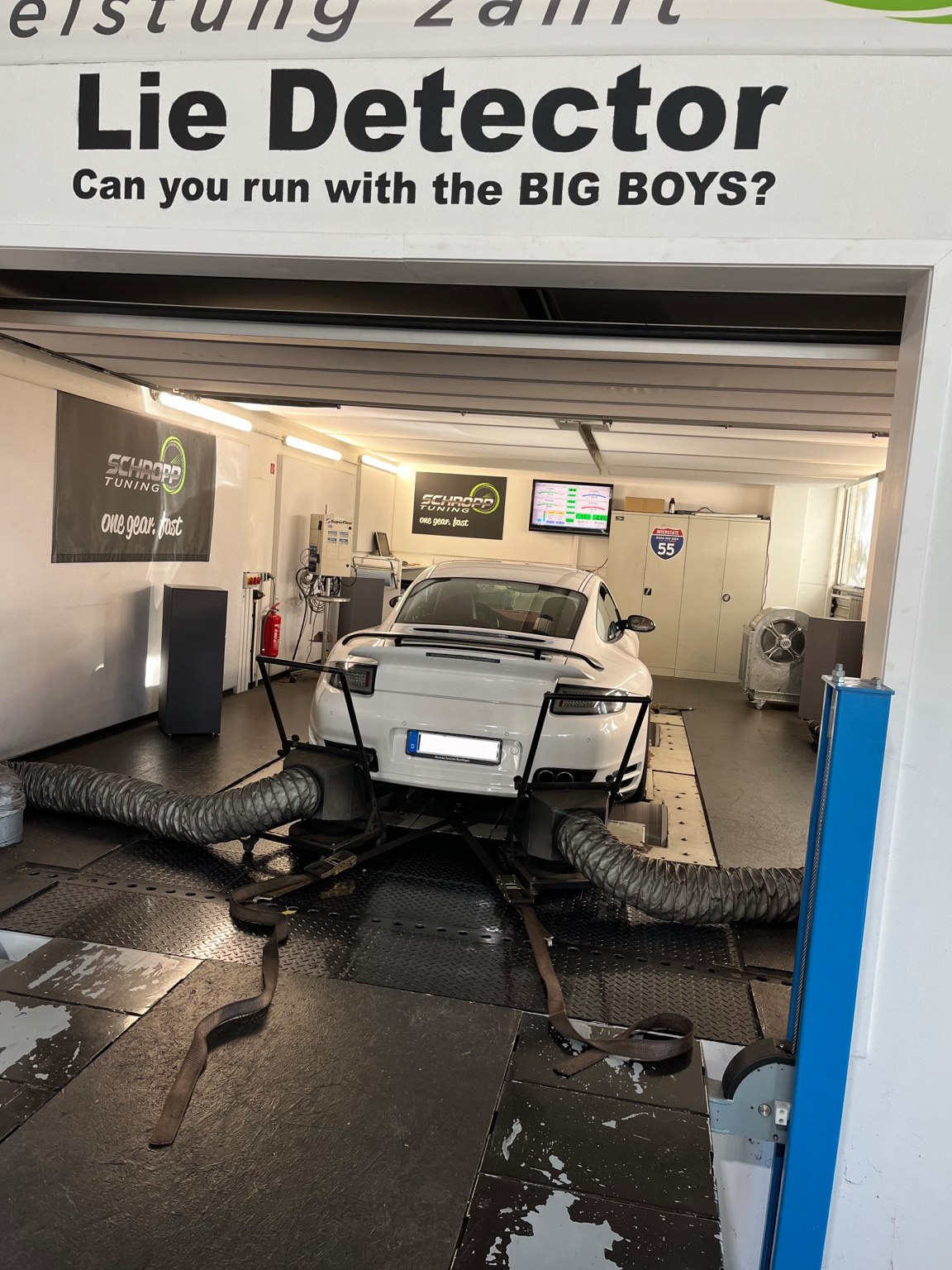
Realistic Cooling
Airflow where the vehicle needs it.
Our powerful main cooling fan supplies front-mounted radiators with a high volume of air. A separate fan is available for rear-engined vehicles and models with side cooling inlets, allowing unusual vehicle layouts to be cooled effectively during testing and development runs.
Process
From arrival to dyno chart in around 45 minutes.
The exact time required depends on the vehicle and its available securing points.
Driving and positioning the vehicle already provides an initial impression of its condition.
The vehicle is aligned on the dyno lift and the wheelbase is adjusted.
Where necessary, covers are removed so the vehicle can be secured safely.
The vehicle is secured professionally and appropriately for its design.
The actual drivetrain losses are recorded during the measurement process.
The main run produces power and torque curves for analysis.
Dyno Test Including Printed Chart
Includes securing the vehicle, drivetrain-loss measurement, the main power run and a printed dyno chart with power and torque curves.
from €179depending on the work required
A dyno does not answer opinions. It delivers facts.
Dyno Hire
Our infrastructure. Your calibration.
Companies and private customers can use the dyno for their own calibration or development work. The dyno and driver are provided by Schropp Tuning; calibration is carried out by the customer or their appointed specialist.
Vehicle, drivetrain, power output, tyres, ride height, securing points and planned work are agreed in advance.
The dyno is operated and the vehicle driven by Schropp Tuning.
Scope, test procedure and required dyno time are agreed to suit the project.
FAQ
Frequently asked questions about our dyno.
How long does a standard dyno test take?
From driving in to receiving the finished chart, it usually takes around 45 minutes. Vehicles that require more complex securing may take longer.
What will I receive after the test?
You receive a printed dyno chart with power and torque curves.
Can AWD vehicles be tested?
Yes. The SF883-E is an AWD dyno with mechanically synchronised front and rear rollers.
Can extensively modified vehicles be tested?
In principle, yes, provided the vehicle is technically safe, fitted with suitable tyres and appropriate for the planned test. Special vehicles are assessed in advance.
Can I use the dyno for my own calibration?
Yes. We provide the dyno and driver. Calibration can be carried out by you or an external calibrator.
Do sensors or fuses need to be disabled for testing?
No. Our dyno allows testing and road simulation on all vehicles without disconnecting sensors or removing fuses.
Dyno Test or Development Project
The right contact route.
For a standard dyno test, a short phone call is the quickest option. Please use the contact form for dyno hire, company projects and more extensive calibration work.
Arrange the appointment directly by phone.
For a straightforward test including a dyno chart.
Call now · +49 7473 3793380Send a technical enquiry.
For self-calibrators, companies, development work or special requirements.
Send enquiry